Your quadriceps—the powerful muscles at the front of your thighs—are the foundation of lower-body strength.
Every squat, lunge, step, and sprint starts here.
And yet, many women still undertrain their quads—or train them in ways that shift the work to the hips instead.
If your goal is to build strong, sculpted legs, support your knees, and move with more confidence, quad training needs to be intentional—not optional.
The good news?
You don’t need complex routines or expensive equipment to get started.
A quad workout at home can activate and strengthen your muscles. But if you want real muscle growth and definition, progressive overload—adding resistance over time—is what drives results.
Start with control. Then build strength.
Why Quad Exercises Matter for Women
Your quads aren’t just about looks—they’re about function. Almost every lower-body movement relies on them: running, standing, squatting, climbing stairs, kicking, and jumping all start with quad power. When these muscles are strong, your whole body moves better.
Here’s why they deserve a top spot in your training:
-
Protect Knee Health: Quads stabilize the kneecap and support joint alignment, lowering the risk of pain and injury.
-
Boost Performance: Strong quads make every workout—whether it’s running, cycling, HIIT, or weight training—more efficient.
-
Create Balance: Quads work with glutes and hamstrings for a strong, functional lower body. Neglecting them creates imbalances.
-
Longevity & Joint Care: Healthy quads support hip flexors, improve mobility, and help keep joints “lubricated” for long-term resilience.
-
Everyday Power: From getting up off the floor to carrying groceries, your quads make life easier.
👉 The takeaway: if you want strength, stability, and sculpted legs, quad training isn’t optional—it’s essential.
The 6 Best Quad Exercises for Women (Gym & Home Versions)
These exercises are selected to maximize quad activation while remaining accessible whether you train at home or in the gym.
Each includes a key coaching cue—because how you perform the movement matters just as much as the exercise itself.
1. Heel-Elevated Squats
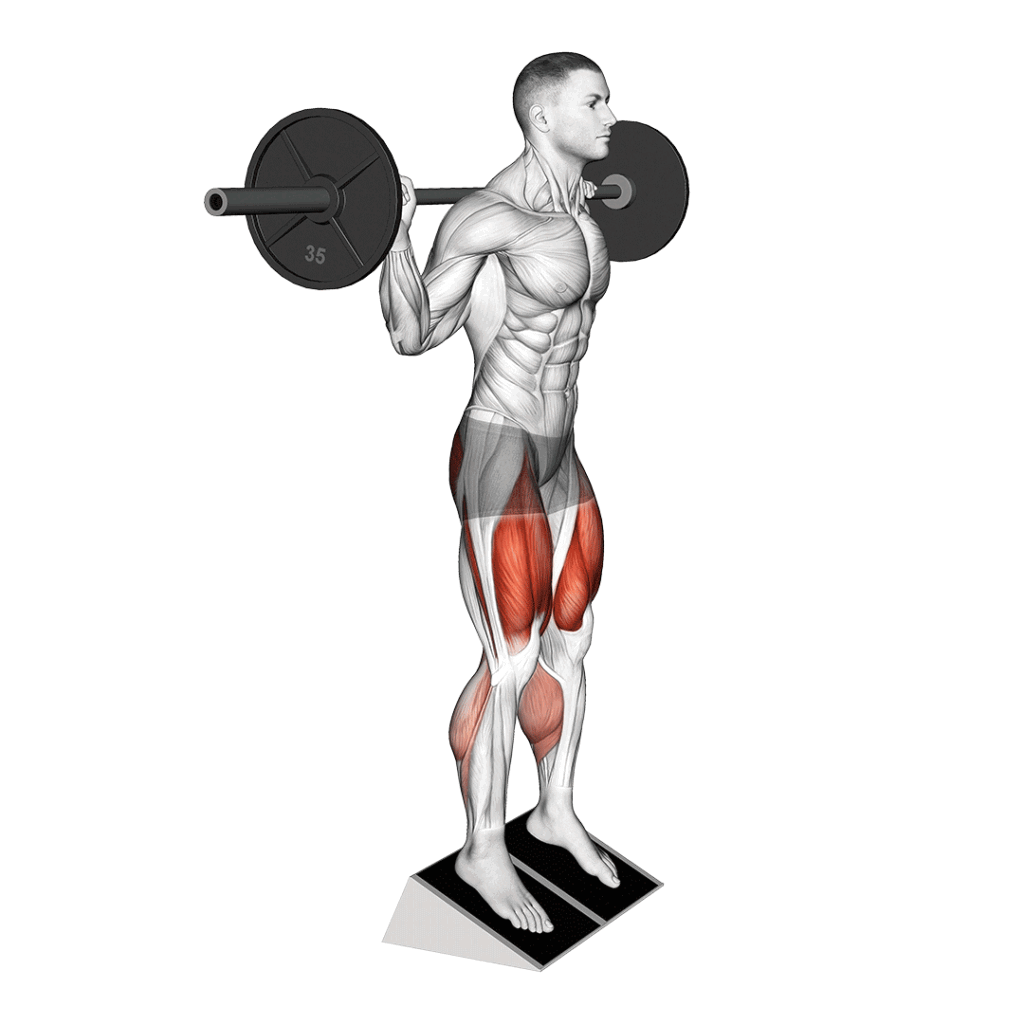
Why they work: Elevating the heels increases knee travel and shifts more tension onto the quadriceps.
Gym Version – Barbell or Dumbbell Heel-Elevated Squat
-
Place small weight plates or a wedge under your heels.
-
Hold a barbell across your back or a dumbbell at your chest.
-
Keep your torso upright, squat down slowly, and drive back up.
Focus tip: Don’t hinge at the hips. Imagine sitting straight down so the quads stay in charge.
Home Version – Heel-Elevated Bodyweight or Backpack Squat
-
Use a folded mat under your heels.
-
Hug a backpack, heavy object at your chest, dumbell or kettlebell.
-
Lower with control, pause at the bottom, then stand tall.
Focus tip: Pause one second at the bottom—this forces your quads to work harder.
2. Front Squats
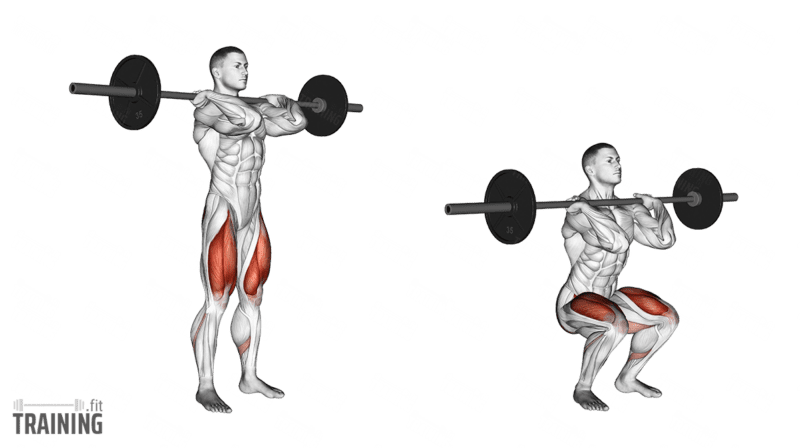
Why they work: The front-loaded position keeps your torso upright, forcing your quads to take the load.
Gym Version – Barbell Front Squat
-
Rest the barbell across your front shoulders, elbows high.
-
Sit down into the squat, chest lifted.
Focus tip: If your elbows drop, you’ll tip forward and shift to glutes—keep them high to stay quad-dominant.
Home Version – Backpack Front Squat
-
Hug a weighted backpack or heavy item at your chest.
-
Keep torso tall and sit straight down.
Focus tip: Visualize your quads “pushing the floor away” with each rep.
3. Bulgarian Split Squats

Why they work: A single-leg powerhouse move that places your front quad under maximum tension.
Gym Version – Dumbbell or Barbell Bulgarian Split Squat
-
Back foot elevated on a bench, front foot firmly planted.
-
Lower hips straight down, torso tall.
-
Let your front knee travel slightly forward—it’s safe and boosts quad activation.
Focus tip: Keep weight centered over your front mid-foot, not your heel.
Home Version – Chair Bulgarian Split Squat
-
Use a sturdy chair or step.
-
Perform with bodyweight or hold bottles/objects for resistance.
Focus tip: Stay upright. If you lean forward, glutes take over.
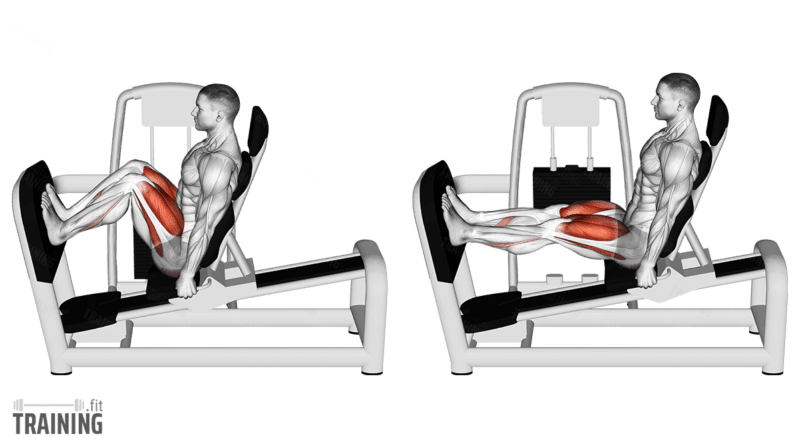
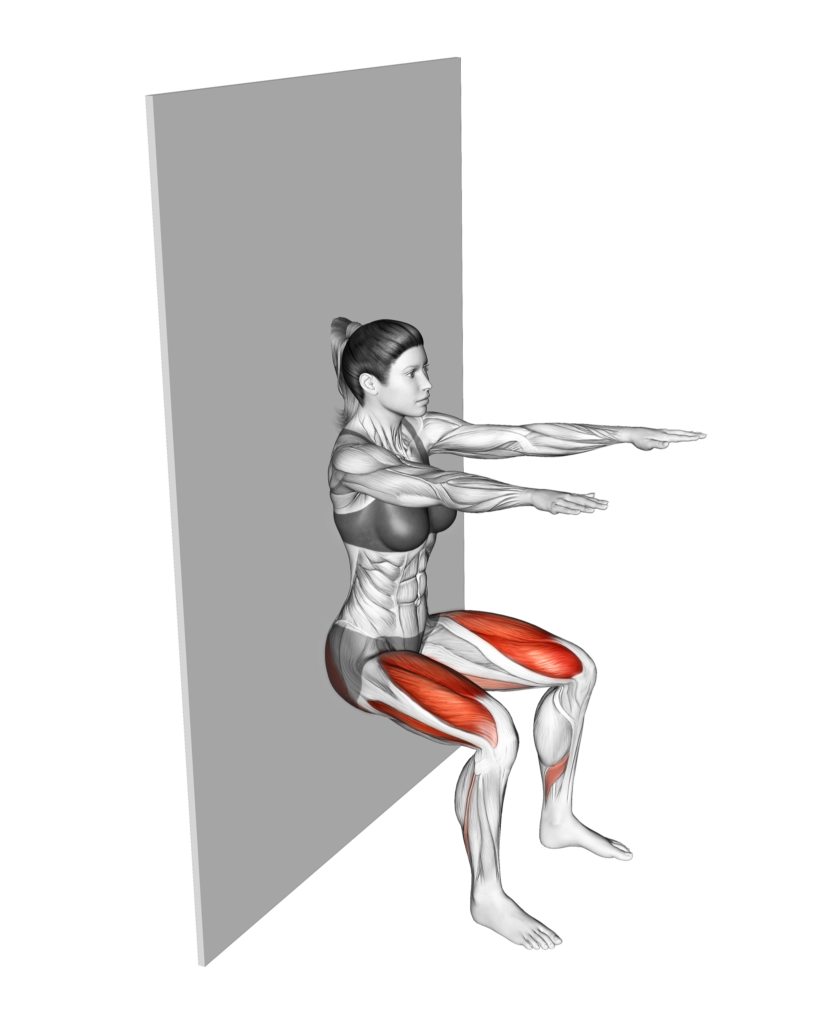
4. Leg Press / Wall Sit
Why they work: These moves isolate the quads by removing balance demands.
Gym Version – Quad-Dominant Leg Press
-
Place feet low and narrow on the platform.
-
Push through the mid-foot, never fully locking out the knees.
-
Focus tip: Control the lowering phase—don’t just “bounce.”
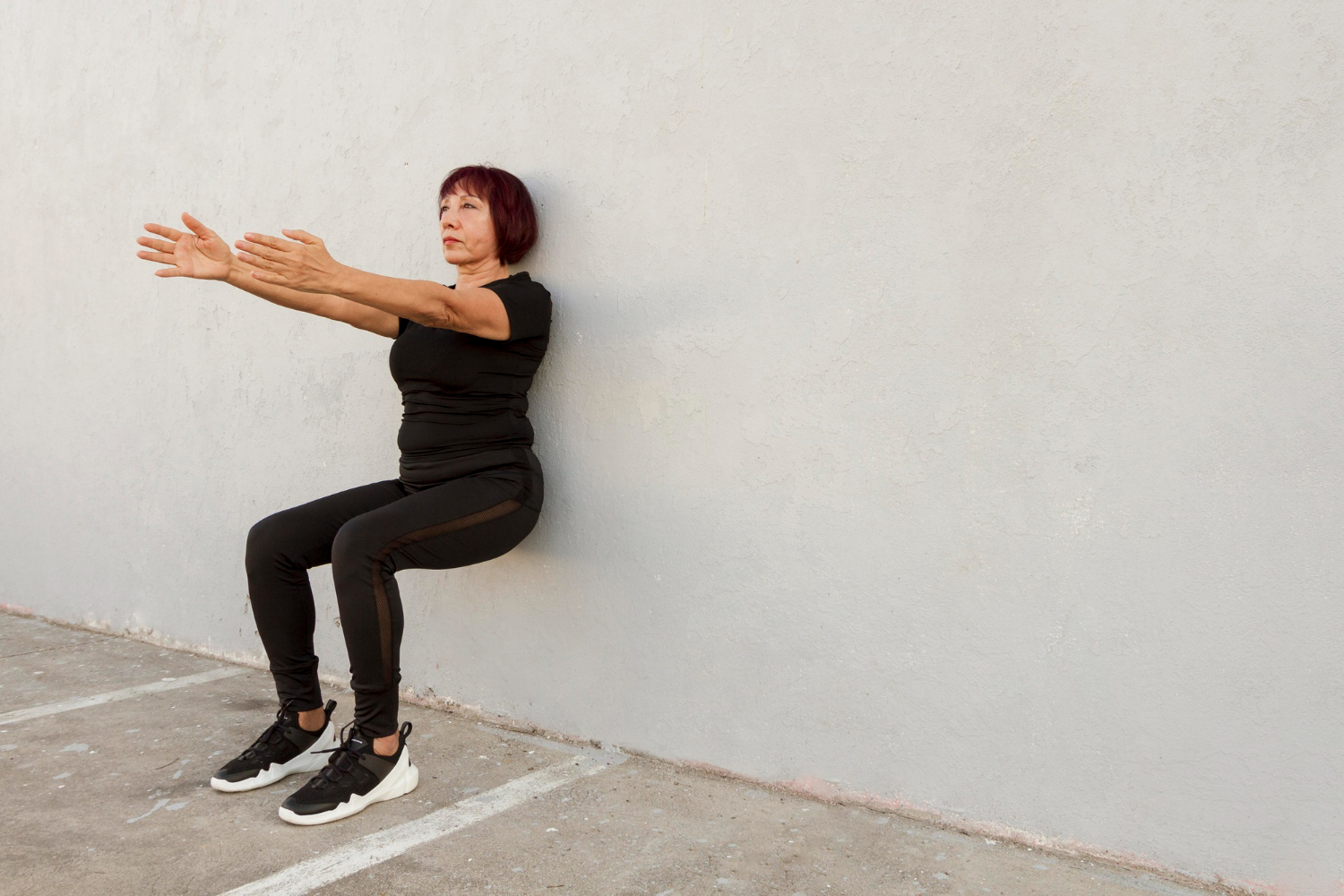
Home Version – Wall Sit (with Pulse)
-
Back flat against a wall, thighs parallel, knees at 90°.
-
Hold for 30–60 seconds.
-
To advance: place weight on thighs or pulse in the bottom half.
-
Focus tip: Keep knees tracking over toes—don’t let them cave inward.
5. Lunges
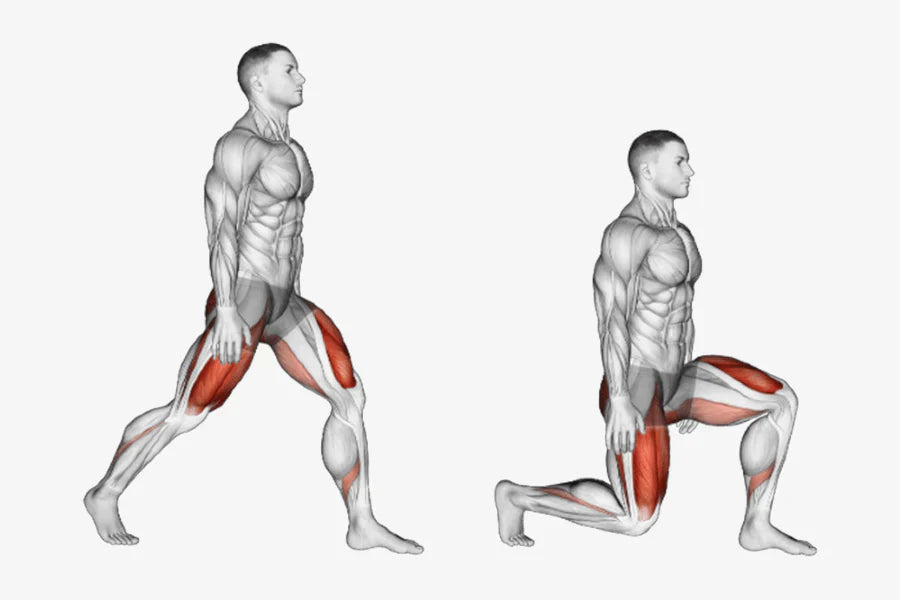
Why they work: Stepping forward places the emphasis on the quads, especially if you keep torso upright.
Gym Version – Walking Lunges with Dumbbells
-
Hold dumbbells at your sides.
-
Step forward, drop into 90° at both knees, then push up through the front quad.
-
Focus tip: Avoid leaning forward. Keep chest stacked above hips.
Home Version – Stationary Forward Lunges
-
Step into a lunge and return to start.
-
Perform with bodyweight or holding weighted objects.
Focus tip: Place more pressure on the front leg—your back leg is just for balance.
6. Sissy Squats
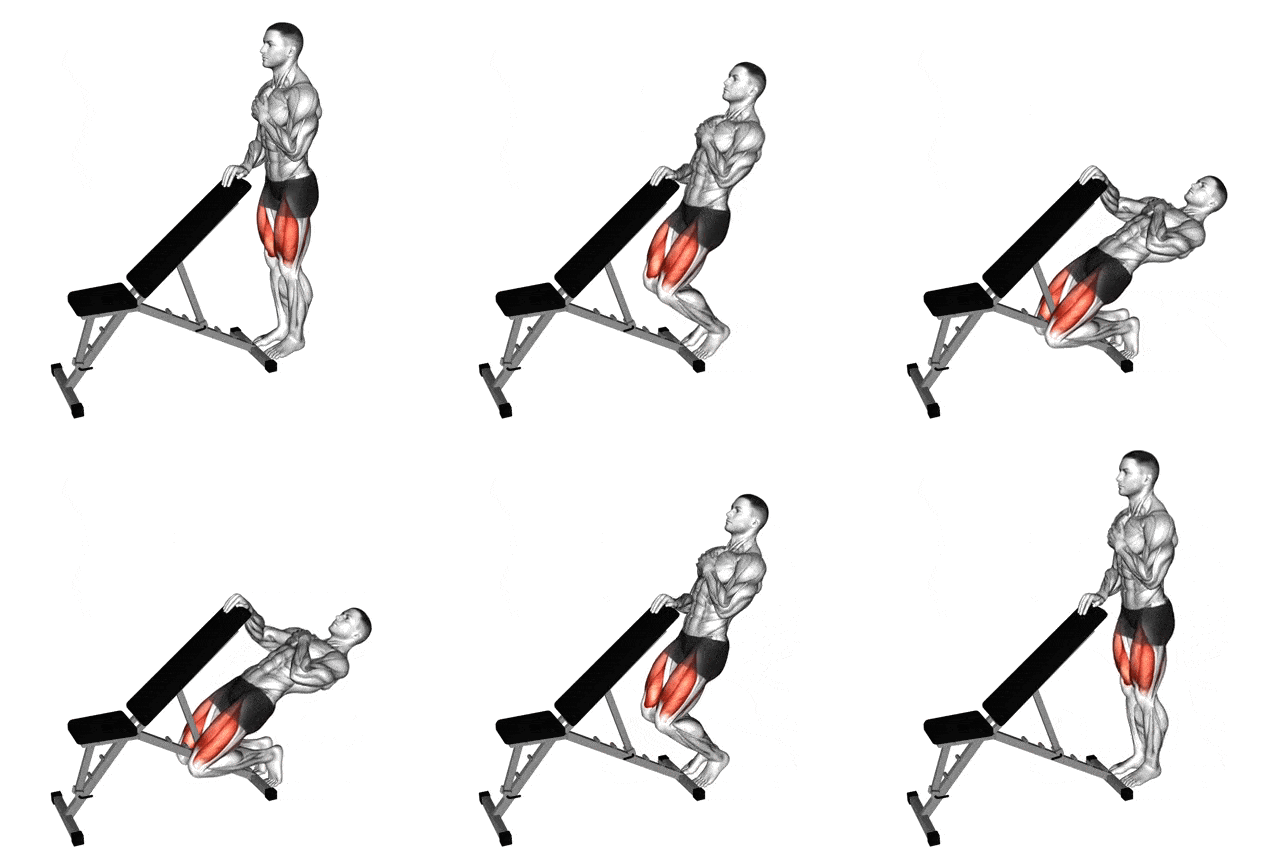
Why they work: One of the best moves for isolating quads without glutes or hamstrings.
Gym Version – Sissy Squat Machine
-
Secure your feet and lean back as you bend your knees.
-
Lower slowly, keep hips extended, then return upright.
Focus tip: Start with shallow depth until you gain control.
Home Version – Assisted Sissy Squat
-
Hold a wall, railing, or chair for balance.
-
Rise onto your toes, lean back, bend knees, then return up.
Focus tip: Control the descent—no bouncing.
Top 3 Cardio Machines for Quads
Cardio doesn’t have to be just “burning calories.” The right machines can strengthen and sculpt your quads too.
1. Stair Climber (StepMill / Stepper)

-
Every step requires knee extension = quad activation.
Pro tip: Don’t lean on the handles—stay tall so your quads carry the load.
2. Stationary Bike (Spin or Upright Bike)

-
High resistance pedaling, especially while standing, is quad-heavy.
Pro tip: Lower the seat slightly so your knees bend more at the bottom of the stroke.
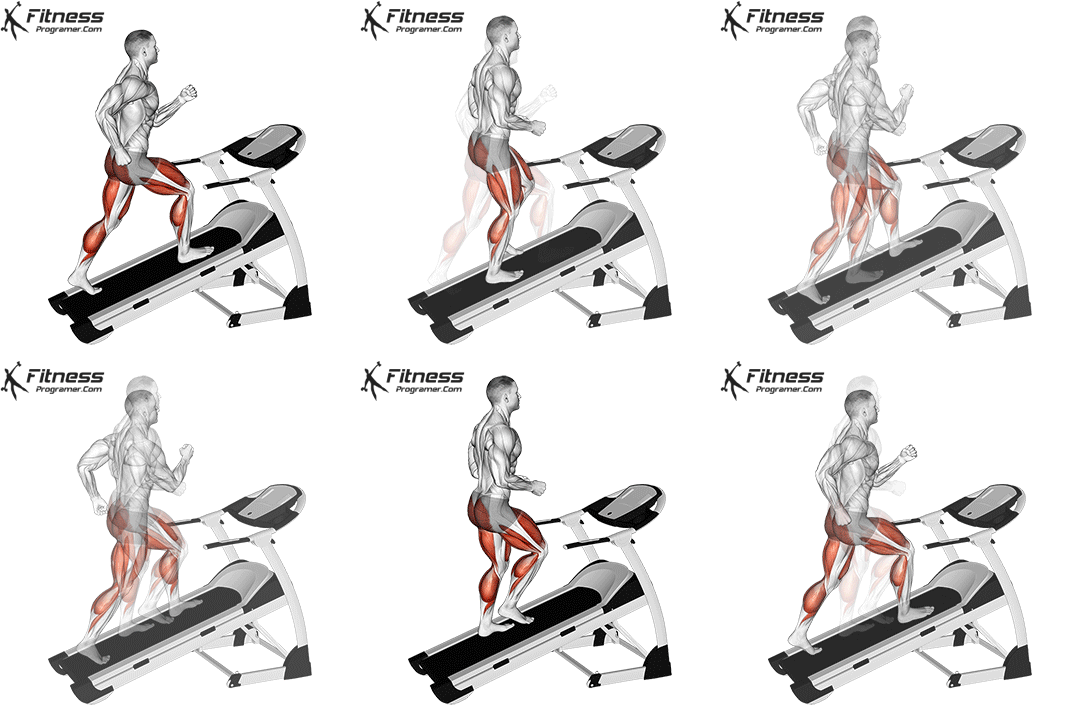
3. Treadmill (Incline Walking)
-
Incline walking (8–12%) fires up the quads more than flat walking.
Pro tip: Keep hands off the rails and walk tall for max benefit.
A quick note: Cardio machines like the stair climber, bike, and treadmill are excellent for building quad endurance and adding definition. But if your main goal is muscle growth, don’t overdo cardio—too much can interfere with recovery and strength gains. Use it as a complement to your quad workout routine, not a replacement for progressive strength training.
Common Mistakes to Avoid
Even the best quad workout can fall flat if you make these errors:
-
Leaning forward too much: shifts work to glutes/hips.
-
Knees caving in: creates strain and reduces quad engagement.
-
Bouncing through reps: removes tension from the muscle.
-
Locking out knees on machines: puts stress on joints instead of keeping tension in quads.
-
Too heavy, too soon: form breaks down and glutes take over—progress slowly.
Active Warm-Up for Quads
Before you dive into your quad workout, it’s essential to wake up the muscles and prime your joints. A proper warm-up increases blood flow, boosts mobility, and helps you really feel your quads once you start lifting.
Quick 5–7 Minute Warm-Up:
-
Leg Swings (Front to Back & Side to Side) – 10 each leg
-
Walking High Knees – 20 steps
-
Bodyweight Squats with Heel Elevation – 12 reps
-
Forward Lunges with Reach – 10 each leg
-
Mini-Band Walks (Optional) – 15 steps forward/backward
👉 By the time you finish, your quads should feel warm, lightly burning, and ready for heavier work.
Stretching & Recovery
Strong muscles also need recovery. To protect your joints and keep training sustainable:
-
Stretch your quads after workouts (standing quad stretch or couch stretch).
-
Foam roll thighs to ease tightness and improve mobility.
-
Prioritize rest days—muscle growth happens during recovery, not just in the workout.
Recovery becomes even more important when combining strength and cardio. If you’re training your lower body consistently, supporting muscle recovery can make a noticeable difference in performance and how your body feels day to day.
→ Read: Theragun Review for Women: A Smarter Full-Body Approach to Muscle Recovery
A Quick Note on Pelvic Floor Awareness
As women, it’s not just about building strong quads—it’s also about protecting our pelvic floor. High-pressure movements like squats, lunges, or leg presses can sometimes place stress on this area if we don’t train with awareness.
Tips to Protect Your Pelvic Floor During Quad Workouts:
-
Breathe Properly: Exhale as you lift, inhale as you lower. Avoid holding your breath (Valsalva maneuver), which increases pressure on the pelvic floor.
-
Engage Gently: Think about lightly lifting your pelvic floor muscles during the hardest part of the movement—like zipping up from the inside.
-
Avoid Bearing Down: If you feel pressure or heaviness, adjust weight, stance, or depth until the movement feels supportive.
-
Build Gradually: Progress resistance slowly, especially postpartum or if you’ve had pelvic floor issues.
👉 Remember: A strong lower body is powerful, but long-term strength also means protecting your core and pelvic health.
Final Note
Strong quads change the way your body moves — not just how it looks.
If you’ve been focusing only on glutes, let this be your reminder that balance matters. Real strength, stability, and long-term results come from training your entire lower body with intention.
Start with one or two of these exercises. Focus on control, stay consistent, and progress gradually.
And when you’re ready to go beyond quads, don’t stop there — discover 7 proven strategies to sculpt your glutes and build strength, power, and confidence from every angle.
Reference:
International Sports Sciences Association (ISSA) – Certified Personal Trainer Curriculum on exercise science and biomechanics.
** This article is for educational purposes only and is not a substitute for professional medical advice. Always consult with a qualified healthcare provider before starting a new workout program, especially if you have knee or joint concerns.