
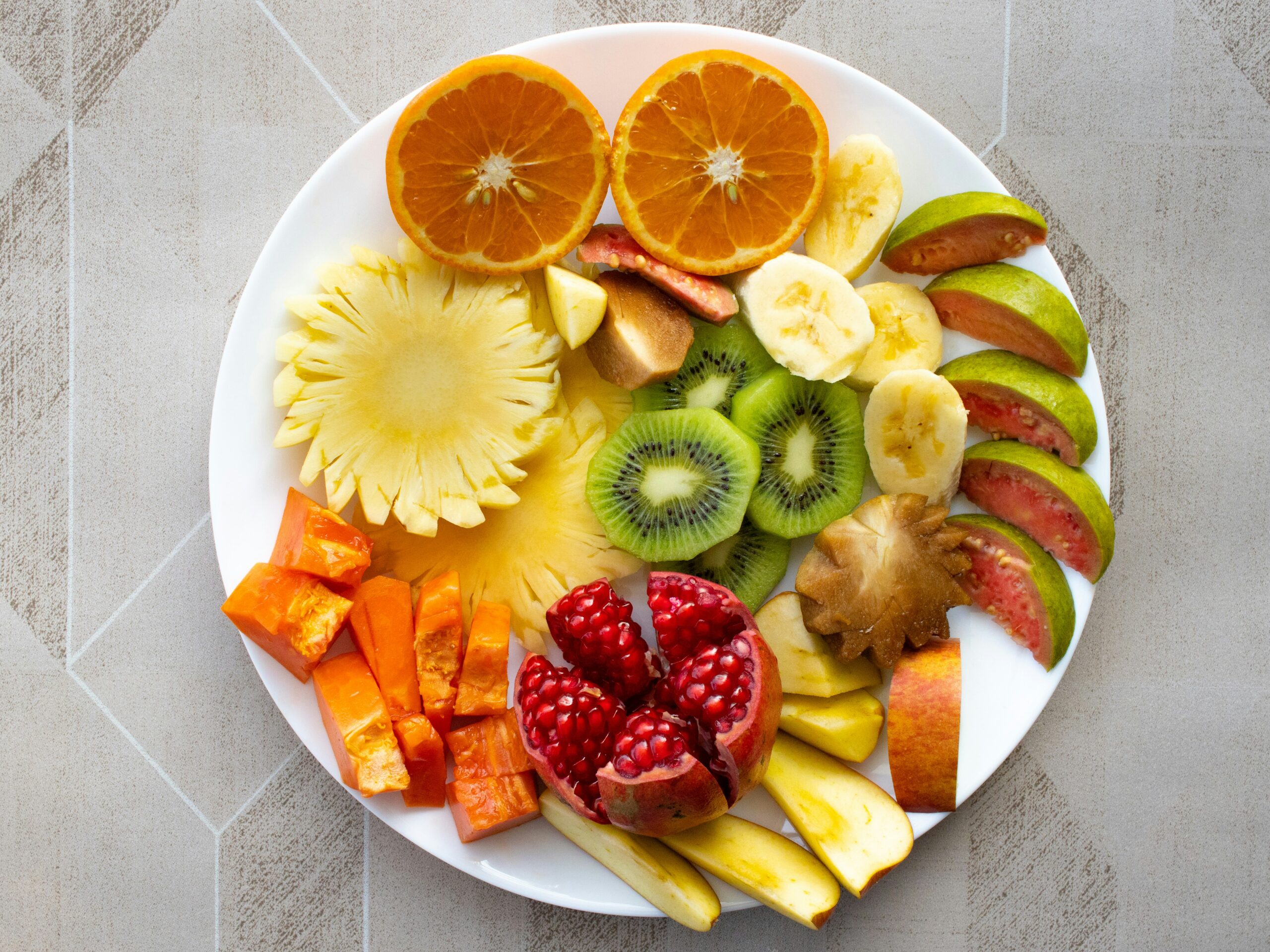
For many women, symptoms like low energy, digestive issues, acne, joint pain, and hormone imbalance do not come out of nowhere. Chronic inflammation is often part of the picture. And while there is no one perfect fix, learning how to eat to reduce inflammation in the body or following an anti inflammatory diet may be one of the most supportive and natural steps you can take.
How to Eat to Reduce Inflammation in the Body Naturally
Chronic inflammation is behind many of the symptoms women deal with every day. It can show up as fatigue, bloating, brain fog, joint pain, acne, hormone issues, or autoimmune flares. It often builds quietly in the background and affects how you feel from morning to night.
But here is the good news: you can reduce inflammation naturally, and one of the best places to start is with food.
An anti-inflammatory diet is not just another wellness trend. It is a simple, science-backed way to support healing, calm the immune system, and help your body feel more balanced.
Whether you are dealing with PCOS, SIBO, thyroid issues, digestive symptoms, or low energy, learning how to eat to reduce inflammation in the body can make a real difference. And if you want to understand how energy, gut health, and healing all connect, you can also read my article on mitochondrial health for women, energy, gut health, and autoimmune resilience.
What Is Inflammation and Why Does It Matter?
Inflammation is your body’s natural response to stress, injury, or infection. In the short term, it can protect you. It is part of your immune defense.
The problem starts when inflammation does not switch off.
Chronic inflammation can quietly damage tissues over time. It can affect hormones, digestion, mood, skin, and energy. It is now linked to many common health issues women face, including:
- autoimmune disease
- PCOS and endometriosis
- leaky gut and IBS
- brain fog and mood changes
- acne, eczema, and other skin issues
- fatigue and hormone imbalances
This is why food matters so much. What you eat can either fuel inflammation or help calm it down. If you want a more condition-specific guide, you can also read anti-inflammatory diet for autoimmune disease: foods to eat and what to avoid.
Anti-Inflammatory Foods to Eat Daily
If your goal is to reduce inflammation naturally, focus on simple whole foods that nourish your body, support gut health, and help regulate the immune system.
Colorful Vegetables
Colorful vegetables are some of the best foods to reduce inflammation in the body. Dark leafy greens are especially helpful.
Think: spinach, kale, arugula, broccoli, bok choy, and other deeply colored vegetables.
These foods are rich in antioxidants and plant compounds that help fight oxidative stress. They also support the gut lining and help the body handle inflammation better.
Berries
Blueberries, raspberries, strawberries, and blackberries are packed with antioxidants called anthocyanins.
These compounds help protect cells, support brain health, and may help lower inflammation. Berries are easy to add to breakfast, smoothies, or snacks, which makes them one of the simplest anti-inflammatory foods to eat often.
Wild Fatty Fish
Salmon, sardines, mackerel, and anchovies are rich in omega-3 fatty acids.
Omega-3s are well known for helping reduce inflammatory markers in the body. They also support brain health, heart health, joint comfort, and overall wellness.
If you eat fish, this is one of the most powerful anti-inflammatory foods to include each week.
Healthy Fats
Healthy fats can help lower inflammation and support hormone balance.
Good options include:
- extra virgin olive oil
- avocado
- nuts
- seeds
Choose cold-pressed and less processed fats when possible. These foods help nourish cells and support more stable energy too.
Herbs and Spices
Herbs and spices can do more than add flavor. Many also have strong anti-inflammatory properties.
Helpful choices include:
- turmeric
- ginger
- cinnamon
- rosemary
- garlic
Curcumin in turmeric and gingerols in ginger have both been studied for their anti-inflammatory effects. You can add them to meals, soups, teas, or smoothies.
Fermented Foods, If You Tolerate Them
Fermented foods may help support the gut microbiome, and that matters because gut health and inflammation are closely linked.
Options include:
- sauerkraut
- kimchi
- miso
- coconut yogurt
- dairy-free kefir
If you have a sensitive gut, go slowly. Some women do very well with fermented foods, while others need more care with them at first.
Foods That Can Increase Inflammation
If you are trying to follow an anti-inflammatory diet, it helps to reduce foods that may keep inflammation active.
Common inflammatory foods include:
- refined seed oils like canola, soybean, and corn oil
- sugary drinks
- added sugar
- ultra-processed foods
- packaged snack foods
- refined flour products
- highly processed gluten products
- alcohol
- artificial additives, preservatives, and food colorings
For some women, gluten and dairy may also make symptoms worse. This is especially common with gut issues, autoimmune symptoms, or certain hormone-related conditions. It does not mean every woman needs to cut them out, but it may be worth looking at your own response.
Benefits of an Anti-Inflammatory Diet for Women
When you start eating to reduce inflammation in the body, you may notice changes in more than one area of your health.
Some common benefits of an anti-inflammatory diet include:
- more stable energy
- less bloating
- better digestion
- clearer skin
- improved focus
- better mood
- more balanced hormones
- less joint pain and stiffness
- better blood sugar support
- stronger immune health
- better long-term wellness and healthy aging
This is not about eating perfectly. It is about eating in a way that helps your body heal and function better.
Simple Anti-Inflammatory Habits That Help
You do not need to change everything overnight. Small habits can still make a big difference.
Try starting with a few of these:
- Begin the day with warm lemon water, ginger tea, or matcha
- Build meals around protein, healthy fats, fiber, and colorful produce
- Eat more slowly and chew well
- Aim to eat a wide range of colors during the week
- Prep simple anti-inflammatory foods ahead of time
- Keep track of what you eat and how you feel
Simple meal prep ideas can include roasted vegetables, chia pudding, quinoa, salmon, boiled eggs, anti-inflammatory smoothies, or turmeric-seasoned chicken.
And of course, nutrition is only one part of the inflammation picture. As Amanda Hull, Nutrition Expert, explains:
we can’t overlook sleep. Quality sleep is when the body repairs, resets, and regulates stress. Without it, inflammation tends to rise.
And if you enjoy learning from women who share a more balanced and realistic view of wellness, you may also like Get Inspired by Sherin: Holistic Health Coach for Balance, Compassion & Real-Life Wellness.
Real Talk: Healing Inflammation Takes Time
If you have been living with chronic inflammation for a long time, changing your diet may feel like a lot at first. That is normal.
But the body often responds to steady support.
Little by little, you may start to notice that your bloating is improving. Your energy may feel more stable. Your digestion may become calmer. Your brain fog may begin to lift.
You do not need to be perfect. You need to be consistent.
Start small. Add in more anti-inflammatory foods. Replace what does not serve you. Keep going one step at a time.
Your body wants to heal. And food can be one of the most powerful tools to help support that process.
This is also why I love learning from wellness books that explore the connection between food, strength, longevity, and long-term health — I shared a few of my favorites here: 3 groundbreaking wellness books every woman should read
References:
-
Calder PC. Omega-3 fatty acids and inflammatory processes. Nutrients, 2010.
-
Dr William Li Eat to Beat Disease book
- The Wahls Protocol book by Terry Wahls, M.D
- Amanda Hull Nutrition Expert – Author at Hull Health
**This article is for educational purposes only and does not replace personalized medical advice. Always consult a healthcare provider or registered nutrition professional for support with chronic symptoms or dietary changes.