
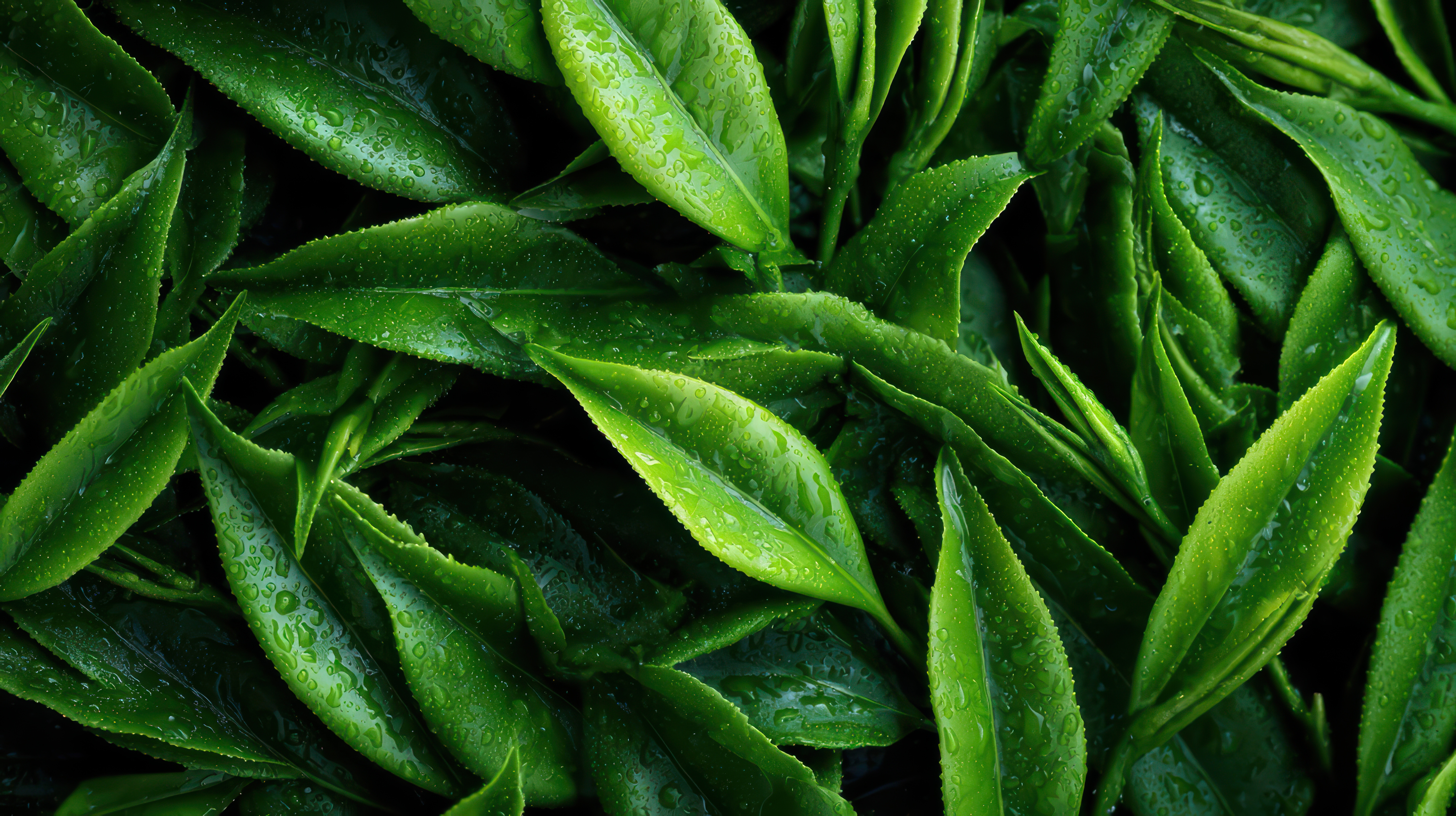
Discover why green tea’s most powerful antioxidant has become one of the most researched natural compounds for healthy aging, inflammation, gut health, and long-term wellness.
Green tea has been enjoyed for thousands of years, but it took modern science much longer to uncover what makes this simple drink so remarkable. One compound, in particular, continues to appear in research on healthy aging, gut health, and anti-inflammatory nutrition: EGCG, or epigallocatechin gallate—the most abundant catechin naturally found in green tea and matcha.
Whether you enjoy a warm cup of green tea or prefer a creamy matcha latte, both are naturally rich in EGCG and can easily become part of a balanced, anti-inflammatory lifestyle.
Over the past two decades—and especially as interest in longevity has grown—EGCG has become one of the most extensively studied plant polyphenols. Research suggests it may help protect cells from oxidative stress, support a healthy inflammatory response, and influence some of the biological pathways involved in healthy aging.
That doesn’t make EGCG a miracle nutrient, and it shouldn’t be viewed as one. No single food or supplement can replace the foundations of good health: regular strength training, quality sleep, stress management, meaningful social connections, and a nutrient-rich diet. But including foods naturally rich in protective compounds like EGCG is one simple habit that can support those foundations over time.
If you’ve already read my article on 9 Powerful Antioxidants Every Woman Should Know, you’ll remember that EGCG earned its own place on that list. Today, we’re taking a much closer look at why this fascinating plant compound has become such an important topic in longevity and inflammation research—and what that actually means for your everyday health.
What Is EGCG?
EGCG stands for epigallocatechin gallate, a natural polyphenol that belongs to a family of compounds called catechins.
Catechins are powerful antioxidants found primarily in the leaves of Camellia sinensis, the plant used to produce green tea, matcha, white tea, black tea, and oolong tea. Among these catechins, EGCG is considered the most biologically active and has been the focus of thousands of scientific studies.
Unlike vitamins and minerals, polyphenols are natural compounds that plants produce to protect themselves from environmental stress such as UV radiation, insects, and drought. Interestingly, these same compounds appear to offer important health benefits when included as part of a balanced human diet.
The richest dietary sources of EGCG include:
- Green tea
- Matcha
- White tea (in smaller amounts)
Because matcha is made from finely ground whole tea leaves rather than leaves that are steeped and discarded, it generally provides a higher concentration of EGCG per serving than a traditional cup of green tea.
What makes EGCG particularly interesting is that it doesn’t act on just one part of the body. Researchers continue to study its potential role in inflammation, oxidative stress, metabolism, cardiovascular health, brain function, immune regulation, gut health, mitochondrial function, and healthy aging.
That broad range of potential benefits is exactly why EGCG continues to attract attention from nutrition and longevity researchers around the world.
How Does EGCG Work?
Every day, your body naturally produces unstable molecules known as free radicals as part of normal metabolism. Pollution, smoking, poor nutrition, chronic stress, excessive UV exposure, and even intense exercise can all increase their production.
In normal amounts, free radicals aren’t harmful—they actually play important roles in many biological processes.
Problems arise when they begin to outnumber your body’s antioxidant defenses, creating a state known as oxidative stress.
Over time, excessive oxidative stress can damage proteins, fats, DNA, and other important cellular structures. Scientists believe it contributes to many chronic diseases and is one of the biological processes associated with aging.
This is where EGCG has attracted so much scientific interest.
Research suggests it may help:
- Neutralize excess free radicals
- Protect cells from oxidative damage
- Support the body’s own antioxidant defense systems
- Help maintain healthy cellular function
Rather than replacing your body’s natural defenses, EGCG appears to work alongside them, strengthening the systems already in place.
This is also why nutrition experts continue to encourage eating a wide variety of polyphenol-rich foods instead of relying on a single “superfood.” The greatest benefits usually come from the combination of many protective compounds working together.
Where Can You Find EGCG?
The richest natural sources of EGCG all come from the Camellia sinensis tea plant, which is used to make green tea, matcha, white tea, oolong tea, and black tea. The amount of EGCG varies depending on how the tea is processed.
Matcha is the richest source because you consume the entire powdered tea leaf. Green tea is another excellent source and one of the easiest ways to enjoy EGCG every day. White tea also contains EGCG, while oolong and black tea generally provide smaller amounts due to the natural oxidation process during production.
If your goal is to naturally increase your intake of EGCG, regularly enjoying green tea or matcha is the simplest and most effective approach.
Richest natural sources of EGCG:
- 🍵 Matcha
- 🍵 Green tea
- 🍵 White tea
- 🍵 Oolong tea
- 🍵 Black tea
EGCG and Inflammation: Supporting Your Body’s Natural Balance
Inflammation often gets a bad reputation, but it’s actually one of your body’s most important defense mechanisms.
When you cut your finger, fight an infection, or recover from a workout, inflammation helps repair tissues and supports healing.
The problem begins when inflammation becomes chronic.
Low-grade, chronic inflammation has been linked to numerous long-term health conditions, including cardiovascular disease, type 2 diabetes, obesity, autoimmune diseases, and several neurodegenerative disorders.
While nutrition alone cannot cure these conditions, it can influence the inflammatory environment your cells are exposed to every day.
This is one reason EGCG has become such an important topic in nutrition research.
Studies suggest that EGCG may help regulate several inflammatory signaling pathways, including NF-κB, often described as one of the body’s key inflammatory regulators. It also appears to help reduce oxidative stress, which is closely linked to chronic inflammation.
Emerging research even suggests that EGCG may help support recovery after exercise by reducing some of the oxidative stress produced during intense physical activity. While it isn’t a replacement for good nutrition or proper recovery, it may complement an active lifestyle.
For women living with inflammatory conditions—or simply wanting to support their long-term health—this reinforces an important message: it’s the small daily habits that matter most.
As an ISSA Certified Personal Trainer, one of the biggest lessons I’ve learned is that there is rarely one food or supplement that changes everything. Real progress comes from consistently building healthy habits: strength training, quality sleep, managing stress, eating enough protein, and filling your plate with nutrient-rich foods.
If you’d like to dive deeper into this topic, I also recommend reading my guide to the Anti-Inflammatory Diet, where I share practical ways to build a lifestyle that supports your body from the inside out.
EGCG fits beautifully into that bigger picture—not as a miracle solution, but as one more science-backed habit that supports long-term health.
EGCG and Gut Health
Your gut is home to trillions of microorganisms that influence far more than digestion. Together, they play an essential role in immune function, hormone metabolism, nutrient absorption, and even aspects of brain health.
While probiotics often take center stage in conversations about gut health, researchers are becoming increasingly interested in how polyphenols like EGCG help shape the gut microbiome.
Unlike nutrients that are absorbed early in digestion, some polyphenols travel to the colon, where they interact directly with beneficial gut bacteria. Emerging research suggests that EGCG may help encourage the growth of beneficial bacterial strains while creating a less favorable environment for certain harmful microbes.
Scientists believe these interactions may partly explain some of EGCG’s broader effects on inflammation, metabolism, and overall health.
If you experience occasional bloating, digestive discomfort, or simply want to support a healthier gut, remember that no single food can transform your microbiome overnight. Instead, the greatest benefits come from consistently eating a wide variety of fiber-rich, plant-based foods.
This is one reason I often recommend following a Mediterranean-style way of eating. Alongside green tea, foods like extra virgin olive oil, colorful vegetables, berries, legumes, herbs, and nuts provide hundreds of beneficial plant compounds that work together rather than in isolation. If you’d like practical ideas for eating this way every day, you can also read my guide to the Mediterranean Diet for Women.
EGCG and Mitochondrial Health
If you’ve already read my article on Mitochondrial Health for Women, you’ll know that mitochondria are often called the powerhouses of our cells because they produce the energy every organ in the body depends on.
As we age, our mitochondria naturally become less efficient. Oxidative stress, poor nutrition, inactivity, and chronic inflammation can all place additional strain on these tiny energy factories.
Researchers are investigating whether EGCG may help support healthy mitochondrial function by reducing oxidative stress and protecting cells from damage.
Although research is still evolving, this is one reason EGCG continues to appear in discussions about longevity. Healthy mitochondria influence much more than energy production—they also play important roles in muscle function, cognitive health, metabolism, and healthy aging.
Of course, green tea alone won’t optimize your mitochondria.
The biggest contributors are still the fundamentals:
- Regular strength training
- Daily movement
- Quality sleep
- Eating enough protein
- A nutrient-rich diet
- Managing chronic stress
Think of EGCG as another small habit that supports those foundations—not a replacement for them.
EGCG, Epigenetics, and Healthy Aging
This is where the science becomes particularly fascinating.
As we grow older, our cells accumulate years of oxidative stress, inflammation, environmental exposure, and everyday metabolic wear and tear. Together, these factors contribute to what’s known as biological aging—how our body ages internally, which doesn’t always match the number of birthdays we’ve celebrated.
Researchers are now exploring whether plant compounds like EGCG may help support some of the biological processes involved in healthy aging.
One of the most exciting areas of research is epigenetics.
In simple terms, epigenetics refers to the way our environment and lifestyle influence how our genes are expressed. We can’t change the DNA we’re born with, but our daily habits—including nutrition, physical activity, sleep, stress management, and smoking—can influence which genes are switched on or off throughout our lives.
This concept is explored beautifully by Dr. Kara Fitzgerald in her book Younger You. Rather than promising to “reverse aging,” she explains how an overall lifestyle rich in colorful plant foods, polyphenols, movement, quality sleep, and stress management may support healthier biological aging.
Green tea—and its naturally occurring EGCG—fits perfectly into that approach.
One thing I particularly appreciate about Dr. Fitzgerald’s work is that it never focuses on one miracle food or supplement. Instead, it reminds us that healthy aging is built through the accumulation of small, consistent habits that support our cells every single day.
That philosophy closely matches how I approach women’s health on Healthy Habits Explorer. Whether we’re talking about fitness, nutrition, gut health, or longevity, sustainable habits will always outperform quick fixes.
Interestingly, oxidative stress doesn’t only affect what’s happening inside the body—it also contributes to visible skin aging. Researchers are investigating whether diets naturally rich in polyphenols like EGCG may help support healthier skin as we age. While more human studies are still needed, it’s another reason why antioxidant-rich foods continue to attract attention in longevity research.
EGCG and Heart Health
Heart disease remains the leading cause of death among women worldwide, making cardiovascular health one of the most important pillars of healthy aging.
Researchers have investigated EGCG for its potential role in supporting heart health through several different mechanisms.
Current evidence suggests it may help:
- Protect blood vessels from oxidative stress
- Support healthy endothelial function
- Help maintain healthy cholesterol metabolism
- Promote healthy circulation as part of a balanced lifestyle
Like most nutrition research, these benefits appear strongest when green tea is included as part of an overall heart-healthy lifestyle—not in isolation.
That means combining it with:
- Regular physical activity
- Plenty of fruits and vegetables
- Healthy fats such as extra virgin olive oil
- Adequate fiber
- Good sleep
- Not smoking
A daily cup of green tea won’t undo unhealthy habits, but it can certainly complement a lifestyle built around long-term health.
EGCG, Blood Sugar, and Metabolism
Blood sugar regulation isn’t only important for people living with diabetes.
Stable glucose levels influence your energy, appetite, hormone balance, and long-term metabolic health.
Some studies suggest that EGCG may help support healthy insulin sensitivity and glucose metabolism, although the effects appear modest and should never replace medical treatment or personalized advice from your healthcare provider.
For women navigating insulin resistance or PCOS, this is encouraging because it reinforces something we already know:
The daily habits matter most.
Strength training, regular walking, eating enough protein, prioritizing fiber, maintaining a healthy body composition, and including polyphenol-rich foods such as green tea all work together to support better metabolic health.
Rather than searching for one “fat-burning” ingredient, focus on building habits that allow your metabolism to thrive.
Consistency will always outperform shortcuts.
Matcha or Green Tea: Which Is Better?
One of the questions I hear most often is whether matcha is healthier than green tea.
The short answer?
Both are excellent choices.
Since they both come from the same plant (Camellia sinensis), they share many of the same beneficial compounds, including EGCG. The main difference lies in how they’re prepared.
Traditional green tea is made by steeping the leaves in hot water before removing them. Matcha, on the other hand, is made from finely ground whole tea leaves, meaning you consume the entire leaf.
Because of this, matcha generally provides more EGCG, along with higher amounts of chlorophyll, L-theanine, and caffeine.
However, more doesn’t automatically mean better.
If you’re sensitive to caffeine, pregnant, or simply enjoy drinking several cups throughout the day, traditional green tea may be the better option.
The healthiest choice is ultimately the one you’ll enjoy consistently.
After all, healthy habits only make a difference when they become part of your everyday routine.
Can You Get Enough EGCG From Green Tea Alone?
For most healthy adults, yes.
Research suggests that drinking two to four cups of quality green tea each day provides meaningful amounts of EGCG while also delivering a wide variety of naturally occurring polyphenols.
One advantage of drinking tea instead of relying on supplements is that you’re consuming EGCG in its natural food matrix, alongside dozens of other beneficial plant compounds that appear to work together.
This is one reason I always encourage a food-first approach.
As an ISSA Certified Personal Trainer, I believe supplements should support an already healthy lifestyle—not replace nutritious food, regular exercise, or quality sleep.
For most women, regularly enjoying green tea is likely to be a more sustainable and enjoyable strategy than relying on concentrated supplements.
Should You Take an EGCG Supplement?
Although green tea itself is considered safe for most healthy adults, concentrated EGCG supplements are a different conversation.
Many supplements contain significantly higher doses than you would naturally consume from drinking tea.
While they may have a place in certain clinical situations under medical supervision, they aren’t necessary for most healthy people.
Current research doesn’t suggest that taking extremely high doses of EGCG provides greater health benefits.
In fact, more isn’t always better.
If your goal is healthy aging, reducing inflammation, or supporting your overall health, whole foods should remain the foundation.
Green tea, vegetables, berries, legumes, herbs, spices, nuts, seeds, and extra virgin olive oil all provide hundreds of beneficial compounds that work together in ways researchers are still discovering.
Who Should Be Careful With EGCG Supplements?
Although EGCG from brewed green tea is generally considered safe, concentrated green tea extracts deserve more caution.
In rare cases, high-dose supplements have been associated with liver injury, particularly when taken on an empty stomach or in excessive amounts.
Speak with your healthcare provider before taking an EGCG supplement if you:
- Are pregnant or breastfeeding
- Have liver disease
- Take blood-thinning medication
- Take medications that may interact with green tea
- Have been advised to limit caffeine
- Have a medical condition requiring regular monitoring
This doesn’t mean EGCG is dangerous.
It simply reminds us that natural doesn’t automatically mean harmless, especially when nutrients are concentrated into high-dose supplements.
The Best Foods to Pair With EGCG
One of the most important lessons from nutrition research is that foods work better together than alone.
Nutrition researchers often refer to this as food synergy—the idea that nutrients interact in ways that create greater benefits than any single nutrient could provide on its own.
This helps explain why dietary patterns such as the Mediterranean diet consistently outperform individual supplements in long-term health research.
Rather than searching for one “superfood,” focus on eating a wide variety of colorful, minimally processed foods.
Some of my favorite foods to pair with green tea include:
- Extra virgin olive oil
- Blueberries and strawberries
- Leafy greens
- Broccoli and other cruciferous vegetables
- Tomatoes
- Walnuts and almonds
- Pumpkin and sunflower seeds
- Lentils and chickpeas
- Fresh herbs such as parsley, rosemary, oregano, and mint
- Turmeric and cinnamon
- Omega-3-rich fish like salmon and sardines
Together, these foods provide antioxidants, healthy fats, fiber, vitamins, and minerals that support your microbiome, heart, brain, muscles, and overall health.
This is exactly why I often recommend a Mediterranean-style way of eating. Rather than relying on one “superfood,” it naturally combines many protective foods into an enjoyable, sustainable eating pattern that supports healthy aging.
If you’d like practical ideas for getting started, don’t miss my guide to the Mediterranean Diet for Women, where I share simple ways to make this lifestyle work in everyday life.
How I Include EGCG in My Own Routine
One thing I’ve learned over the years is that consistency almost always beats perfection.
I don’t think of green tea as a miracle drink or a cure for inflammation.
Instead, I see it as one simple habit that fits naturally into an overall healthy lifestyle.
A balanced breakfast.
Strength training.
Walking every day.
Eating enough protein.
Prioritizing sleep.
Managing stress.
Filling my plate with colorful, whole foods.
Those habits will always have a greater impact than any single supplement.
Adding a cup of green tea—or matcha when I feel like it—is simply another way to nourish my body with compounds that may help support long-term health.
Sometimes the simplest habits are also the most powerful.
Frequently Asked Questions About EGCG
Is it better to drink green tea or take an EGCG supplement?
For most healthy adults, drinking green tea is the best place to start. It naturally provides EGCG alongside other beneficial polyphenols and is generally considered safer than high-dose supplements. Unless your healthcare provider recommends otherwise, a food-first approach is usually the best choice.
How much EGCG is in a cup of green tea?
The exact amount depends on the tea variety and brewing method, but a typical cup of green tea contains approximately 50–100 mg of EGCG. Matcha generally provides considerably more because you consume the entire powdered tea leaf.
Can I drink green tea every day?
Yes. For most healthy adults, drinking two to four cups of green tea daily can be part of a healthy, balanced diet. If you’re sensitive to caffeine, consider limiting your intake later in the day or choosing a decaffeinated variety.
Is EGCG good for autoimmune diseases?
Research suggests EGCG has antioxidant and anti-inflammatory properties that may support overall health. However, it is not a treatment for autoimmune diseases and should never replace medical care. Think of EGCG as one part of a broader anti-inflammatory lifestyle that includes nutritious food, regular movement, quality sleep, stress management, and appropriate medical treatment.
Does adding milk reduce EGCG absorption?
Some studies suggest that proteins in milk may slightly reduce the availability of certain tea polyphenols, although the evidence is still mixed.
If maximizing EGCG intake is your goal, drinking green tea plain or with a squeeze of lemon may be a good option.
That said, drinking green tea consistently is likely far more important than worrying about small differences in absorption.
Final Thoughts
The more I learn about nutrition and healthy aging, the more convinced I become that there is rarely one food or supplement that transforms our health overnight.
Instead, it’s the small choices we make every day that quietly shape our future.
Strength training.
Walking regularly.
Eating enough protein.
Sleeping well.
Managing stress.
Eating a colorful, Mediterranean-style diet.
And yes—enjoying a daily cup of green tea if it’s something you genuinely love.
This philosophy is beautifully reflected in Dr. William Li’s bookEat to Beat Disease.
Rather than chasing miracle foods, he encourages us to build meals around a wide variety of plant foods that naturally support the body’s own defense systems—from the microbiome and immune system to heart health and healthy aging.
Green tea and EGCG fit perfectly into that bigger picture.
Not because they promise miraculous results.
But because they represent one more small, science-backed habit that supports long-term health.
As an ISSA Certified Personal Trainer, this is exactly how I encourage women to approach wellness. Lasting progress doesn’t come from perfection or extremes—it comes from building habits you can maintain for years.
Whether your goal is feeling stronger, supporting your gut, calming inflammation, or simply aging well, every healthy choice counts.
Healthy aging isn’t built in a day—it’s built by the habits you repeat every day.
If you’d like to learn more about protective nutrients that work alongside EGCG, I also recommend reading my article on 9 Powerful Antioxidants Every Woman Should Know, where I explore other science-backed compounds that support cellular health, healthy aging, and overall wellness.
References
- Singh BN, Shankar S, Srivastava RK. Green tea catechin, epigallocatechin-3-gallate (EGCG): mechanisms, perspectives and clinical applications. Biochemical Pharmacology. 2011.
- Yiannakopoulou EC. Targeting DNA methylation with green tea catechins. Pharmacology. 2015.
- Li F, Qasim S, Li D, Dou QP. Updated review on green tea polyphenol epigallocatechin-3-gallate as a cancer epigenetic regulator. Seminars in Cancer Biology. 2022.
- Epigallocatechin gallate and mitochondria—A story of life and death. Pharmacol Res . 2016
- The critical role of epigallocatechin gallate in regulating mitochondrial metabolism. Future Med Chem . 2018
- European Food Safety Authority (EFSA). Safety of green tea catechins.
Books
- Dr. Kara Fitzgerald — Younger You
- Dr. William W. Li — Eat to Beat Disease
**This article is for educational purposes only and should not be considered medical advice. While current research suggests EGCG may support overall health, it is not intended to diagnose, treat, cure, or prevent any disease. Always consult your healthcare provider before starting new supplements or making significant changes to your diet, especially if you are pregnant, breastfeeding, have a medical condition, or take prescription medications.